
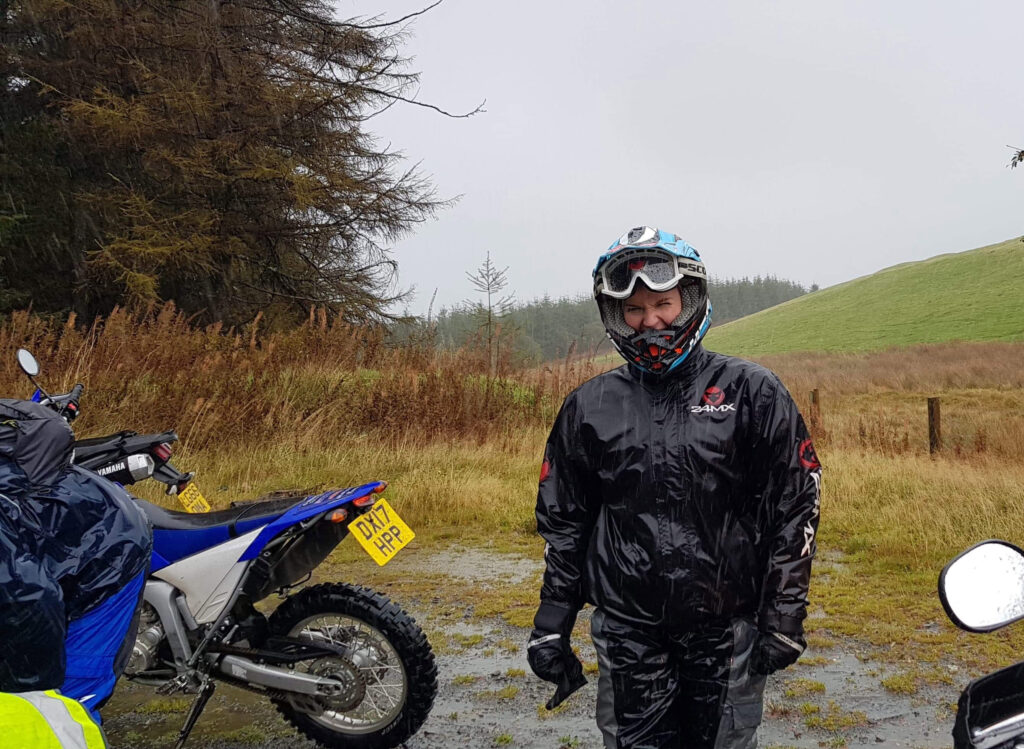
Wet Weather Riding: How to Stay Calm, Smooth and Confident on a Motorcycle
Riding in wet weather can feel daunting, especially if you haven’t experienced it before. Add in well-meaning biking friends sharing horror stories about slippery road surfaces, and it’s easy to feel overwhelmed or even terrified at the thought of riding in the rain.
For some riders, the fear comes from a past bad experience. A moment where grip felt unpredictable, visibility dropped, or confidence took a hit. For others, it’s much simpler: you’d just rather not ride in the wet. And honestly, that applies to most of us.
But here’s the interesting part, wet weather riding can actually make you a better, more skilled motorcyclist.
Why Riding in the Wet Changes Everything
Over the years, I’ve led advanced training tours on the continent in torrential downpours. What’s fascinating is the transformation that takes place among riders.
In dry conditions, many riders are overly aggressive:
- Rushing into corners
- Inaccurate with road position and lines
- Heavy on the throttle
- Late on the brakes
- Lacking smoothness and control
Then the rain starts.
Suddenly, those same riders become calm, deliberate and precise. Their riding improves dramatically. Why?
Speed drops — and everything smooths out.
With less grip available, riders naturally slow down. There’s no rushing into corners. Gear changes become smoother. Riders sit comfortably in the middle third of the rev range, using gentle engine braking rather than abrupt inputs. Body position, planning and observation all improve to accommodate reduced visibility and changing road surfaces.
From an advanced motorcycle instructor’s perspective, it’s immediately noticeable and incredibly positive.
Why Riders Struggle in the Wet
Most riders who experience problems in wet conditions aren’t lacking grip, they’re riding too aggressively for the conditions, or they’re unaware of road surface hazards.
Anything that comes between your tyres and the tarmac can reduce grip. Add water to the mix, and the margin for error becomes smaller.
Common Wet Weather Road Hazards to Watch For
- Metalwork: manhole covers, drains, cats’ eyes and cattle grids
- Spillages: diesel, petrol and oil
- Wet leaves, mud and debris
- Painted road markings, especially if raised or newly applied
A particular risk occurs after long dry spells. The road surface often builds up a greasy film, and light rain isn’t enough to wash it away. In these conditions, smooth riding and forward planning are essential.
How Much Grip Do You Really Lose in the Wet?
This surprises many riders: in wet conditions, you typically lose around 10% of grip, unless there’s something between your tyres and the tarmac.
The problem is panic.
When riders spot surface hazards ahead, they often react with sudden braking or aggressive throttle inputs. These sharp actions unsettle the motorcycle and increase the likelihood of losing control.
Smooth inputs, calm planning and appropriate speed are what keep the bike stable.
Build Confidence Through Skill
If riding in the wet still fills you with doubt, the solution isn’t to avoid it, it’s to understand it.
Confidence comes from skill, knowledge and experience. With the right training, wet weather riding becomes predictable, manageable and far less intimidating.
If you feel you’d benefit from structured guidance and professional feedback, consider further training.
I offer:
- Mentorship programmes
- Advanced motorcycle training up to IAM / RoSPA test standard and beyond
Because confidence isn’t about hoping conditions will improve, it’s about knowing you can handle them when conditions don’t.